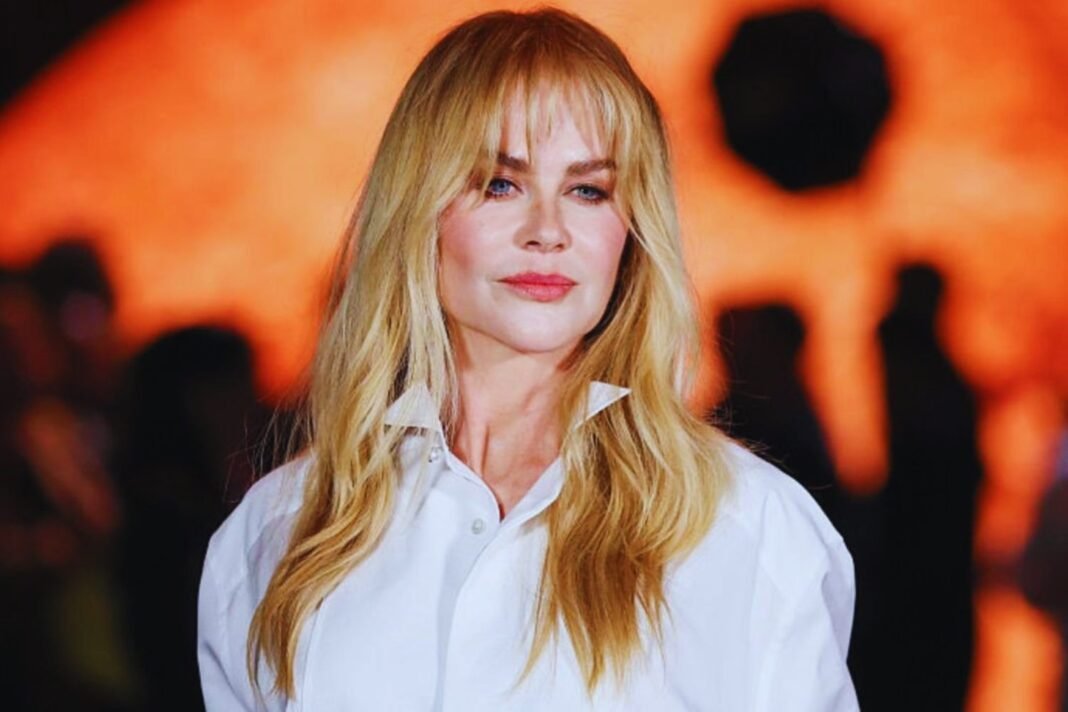
Adele is one of the biggest music stars the world has ever seen. Her voice can make you cry, and her songs have touched millions of hearts across the globe. But behind all that fame, the glittering awards, and sold-out concerts, Adele was quietly fighting a very personal and painful battle — postpartum depression.
This is a story that many women can relate to, even if they’ve never stood on a stage or won a Grammy. It’s a story about the dark side of becoming a mother, the silence that surrounds it, and how a single honest conversation can change everything.
The Joy That Didn’t Feel Like Joy
When Adele gave birth to her son, Angelo, most people assumed she was on top of the world. She had everything — fame, money, success, and now a beautiful baby. But that’s not how she felt inside.
“I was obsessed with my child. I felt very inadequate; I felt like I’d made the worst decision of my life,” Adele admitted.
These are words that many new mothers have thought but were too afraid to say out loud. The pressure to feel instantly happy after having a baby is enormous. Society tells women they should glow with joy. But the reality for many — including Adele — is far more complicated and painful.
What Postpartum Depression Really Feels Like
Postpartum depression, known as post-natal depression in the UK, is a medical condition that affects hundreds of thousands of women every year after childbirth. It’s not simply “baby blues” or feeling a little tired. It’s a deep, heavy darkness that settles in and doesn’t leave easily.
Adele explained her understanding of the condition clearly:
- You don’t want to be near your own child
- You fear you might somehow hurt your baby
- You feel like you’re constantly failing as a mother
- You’re overwhelmed with guilt for feeling this way at all
“I had really bad postpartum depression after I had my son, and it frightened me,” she said. “I didn’t talk to anyone about it. I was very reluctant.”
That fear and reluctance is something millions of mothers share. The stigma around mental health, especially for new moms, is still very real. Women are expected to be grateful, glowing, and in love with motherhood from day one. When that doesn’t happen, many suffer in silence — just like Adele did.
The Weight of Fame Made It Worse
Being famous doesn’t protect you from pain. In fact, it can make it harder to speak up. Adele knows this all too well.
“You can’t talk about the downside of fame, because people have hope, and they cling to the hope of what it would be like to be famous, to be adored, to be able to create and do nice things,” she said.
There’s an expectation that famous people should have perfect lives. When you’re Adele — someone whose voice has literally moved the world to tears — admitting that you’re struggling feels almost impossible. The world sees the glamour. They don’t see the dark room where you sit alone, scared, and unsure of yourself.
A Gentle Push in the Right Direction
Adele’s partner at the time, Simon Konecki, noticed she was struggling. He gently suggested that she open up and talk to other women about what she was going through. At first, she refused. Talking about it felt too raw, too embarrassing, and too risky.
But something interesting started happening naturally. Adele found herself drawn to pregnant women and mothers with young children. She noticed they seemed more patient, more understanding, less quick to judge.
Slowly, without even planning it, she began to open up.
And what she discovered completely changed her perspective.
The Moment Everything Shifted
Four of her close friends were feeling the exact same way she was. They had the same dark thoughts, the same guilt, the same exhaustion. But every single one of them had been too embarrassed to say anything.
“Four of my friends felt the same way I did, and everyone was too embarrassed to talk about it,” Adele revealed.
This is one of the most powerful parts of her story. Postpartum depression thrives in silence. When women don’t talk about it, they each feel alone — like they’re the only one struggling, the only “bad mom” in the room. But when even one person breaks that silence, it gives everyone else permission to breathe.
For Adele, that moment came with a simple, raw, honest sentence to a friend.
“One day I said to a friend, ‘I fkin’ hate this,’ and she just burst into tears and said, ‘I fkin’ hate this, too.’ And it was done. It lifted.”
Just like that. Not medication, not a hospital, not a formal therapy session. Just two women telling each other the truth.
Choosing Herself — Without Guilt
Another turning point for Adele was giving herself permission to exist outside of motherhood. She made a simple but powerful decision:
“I’m going to give myself an afternoon a week, just to do whatever the f**k I want without my baby.”
It sounds small. But for mothers drowning in guilt, this kind of boundary is actually incredibly hard to set. Many women believe that taking time for themselves means they are selfish or bad mothers. Adele flipped that idea completely.
“It makes you a better mom if you give yourself a better time,” she said.
She didn’t take antidepressants. Her path to healing was conversation, honesty, and self-permission.
A Lifelong Relationship With Darkness
Adele has also been open about the fact that depression isn’t a stranger to her. She has a long and complicated history with it, going back to her childhood.
“It started when my granddad died, when I was about 10,” she shared. “While I never had a suicidal thought, I have been in therapy, lots.”
She describes herself as someone who is “very available to depression” — meaning she can slip into dark moods easily. The deeply emotional music she’s always been drawn to reflects that inner world. But she manages it, talks about it, and keeps moving forward.
Her story is a reminder that healing isn’t always linear, that sadness and success can live in the same person, and that asking for help — or simply telling a friend the truth — can be the most powerful medicine of all.