Health Benefits of Vitamin B12: Most people never think about Vitamin B12 until something goes wrong. A diagnosis of anemia. Unexplained fatigue that sleep cannot fix. A tingling in the hands that will not go away. By that point, the deficiency has already done its work.
The truth is simple. Vitamin B12 is one of the most critical nutrients in the human body. It keeps the brain sharp, the blood healthy, the nerves intact, and the energy flowing. Yet millions of people worldwide are running low on it without a single clue.
What Exactly Is Vitamin B12?
Vitamin B12, scientifically known as cobalamin, is a water-soluble vitamin. The body cannot manufacture it independently. It must come from food, drinks, or supplements every single day.
Inside the body, it acts as a cofactor for two vital enzymes. The first is methionine synthase, which is responsible for DNA production. The second is L-methylmalonyl-CoA mutase, which converts food into energy. Both processes shut down progressively when B12 runs out.
Builds Healthy Red Blood Cells
The most well-known role of B12 is in the production of red blood cells. Healthy red blood cells are small and round. They move easily through the bloodstream, carrying oxygen to every organ in the body.
Without sufficient B12, red blood cells grow abnormally large and deformed. They become unable to leave the bone marrow and enter circulation properly. This leads to megaloblastic anemia, a condition that leaves the body oxygen-starved. The patient feels weak, breathless, and persistently exhausted.
Restores Energy and Fights Fatigue
Fatigue is one of the earliest and most common signs of B12 deficiency. The vitamin plays a direct role in converting the food a person eats into cellular energy. When levels fall, metabolism slows and the body struggles to power itself.
Correcting a deficiency through diet or supplementation typically reverses this fatigue within weeks. Energy returns. Mental alertness improves. The body begins to function the way it should.
Shields the Brain and Sharpens Memory
The brain is one of the organs most sensitive to B12 levels. Research confirms that low B12 causes brain atrophy, the gradual shrinking of brain tissue over time. This loss of tissue is directly linked to memory decline and early-stage dementia in older adults.
Studies show that even B12 levels at the lower end of the normal range are enough to impair memory performance. Catching and correcting the deficiency early is one of the most practical steps a person can take to protect long-term brain health.
Key brain benefits of adequate B12 include:
- Improved focus and mental clarity
- Stronger short and long-term memory
- Reduced risk of cognitive decline and dementia
- Healthy production of neurotransmitters
Stabilises Mood and Reduces Depression Risk
Vitamin B12 is essential for producing serotonin and dopamine, the two brain chemicals that regulate mood, motivation, and emotional stability. When B12 levels are insufficient, these chemical levels fall. Depression and anxiety often follow.
Clinical research confirms the link. People with low B12 levels are significantly more likely to be diagnosed with depression. Studies also show that B12 supplementation used alongside antidepressant therapy produces noticeably better outcomes for patients with major depressive disorder.
Protects the Nervous System
Every nerve fiber in the human body is surrounded by a protective layer called myelin. Vitamin B12 is one of the key nutrients required to build and maintain this layer.
When B12 is deficient, myelin deteriorates. Nerve signals slow down and misfire. A person begins to experience tingling, numbness, or a burning sensation in the hands and feet. In cases of prolonged, severe deficiency, the nerve damage becomes permanent and irreversible. Regular B12 intake prevents this outcome entirely.
Critical for DNA Production
Every single cell in the human body contains DNA. Vitamin B12 is required for the synthesis and repair of that DNA. Without it, cell replication becomes faulty.
This is especially important during pregnancy. Low B12 in early pregnancy significantly increases the risk of neural tube defects and other congenital abnormalities in the developing baby. Medical professionals strongly advise pregnant women and those planning to conceive to maintain optimal B12 levels, ideally alongside folic acid supplementation.
Protects Long-Term Eye Health
An amino acid called homocysteine, when elevated in the bloodstream, damages the blood vessels inside the eye. This damage is a key driver of age-related macular degeneration, one of the leading causes of permanent vision loss in adults over 50.
Vitamin B12 lowers homocysteine levels directly. A major study involving more than 5,000 women found that those supplementing with B12, B6, and folic acid had 34% fewer cases of macular degeneration over a seven-year follow-up period compared to those who did not. That is a meaningful, measurable protective effect.
Supports Bone Strength
Low B12 levels have been consistently linked to reduced bone mineral density in clinical studies. Bones with low density become brittle. Over time, this increases the risk of fractures and contributes to the development of osteoporosis.
Research shows that people maintaining healthy B12 levels experience fewer bone fractures as they age. While this area of research is still developing, the existing evidence points clearly toward B12 as a supportive factor in long-term skeletal health.
Lowers Heart Disease Risk
Elevated homocysteine levels in the blood are a recognised risk factor for heart attack and stroke. Vitamin B12 actively reduces homocysteine. That makes it a potential ally in cardiovascular protection.
The National Institutes of Health notes that evidence on B12 alone reducing heart disease risk remains mixed. However, the combination of B12, B6, and folic acid consistently brings homocysteine levels down to a safer range. Cardiologists increasingly view this nutrient trio as part of a sensible preventive approach.
Best Natural Food Sources
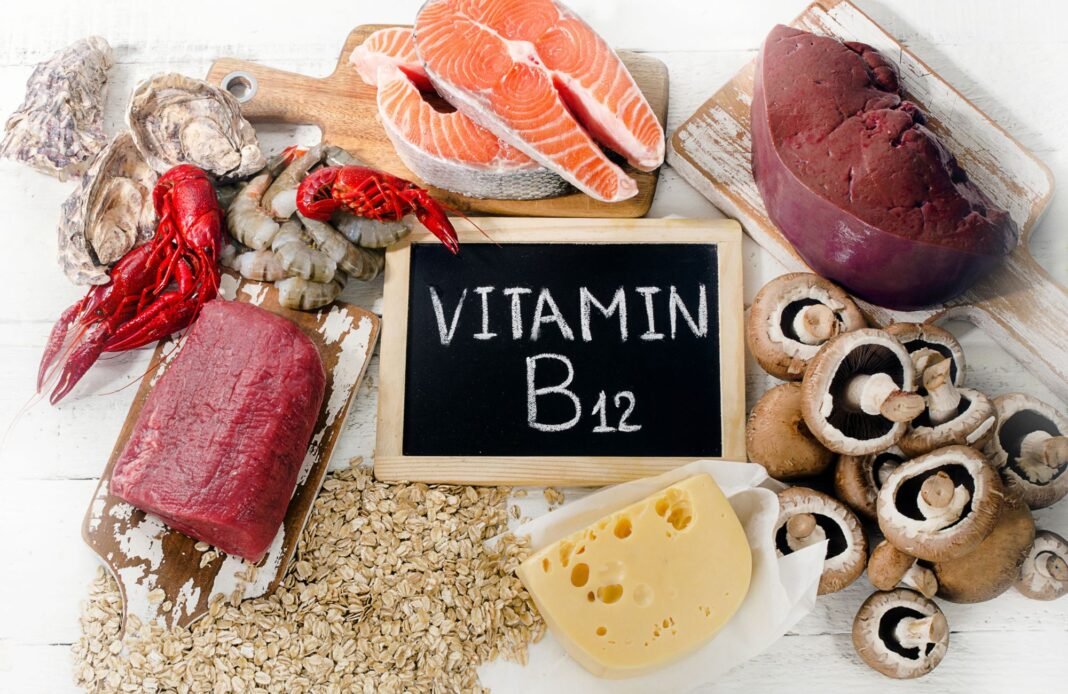
Vitamin B12 is found almost exclusively in animal-based foods. The richest dietary sources include:
- Beef liver and other organ meats
- Clams, sardines, tuna, and salmon
- Eggs, milk, cheese, and yoghurt
- Fortified breakfast cereals
- Fortified plant-based milks for vegans and vegetarians
Warning Signs of Deficiency
These symptoms should never be dismissed or ignored:
- Persistent fatigue and physical weakness
- Numbness, tingling, or burning in the extremities
- Memory lapses and difficulty concentrating
- Depression, anxiety, or unexplained mood changes
- Pale or slightly yellowish skin tone
- Balance problems or an unsteady walk
Groups Most at Risk
Certain people face a significantly higher risk of developing deficiency:
- Vegans and strict vegetarians who consume no animal products
- Adults over 50, as stomach acid production declines with age and reduces absorption
- People living with Crohn’s disease, celiac disease, or other digestive disorders
- Diabetic patients on long-term metformin treatment
- Pregnant and breastfeeding women with increased nutritional demands
Recommended Daily Intake
The National Institutes of Health sets the following daily targets:
- General adults: 2.4 mcg per day
- Pregnant women: 2.6 mcg per day
- Breastfeeding women: 2.8 mcg per day
B12 is available in oral tablets, sublingual drops, and intramuscular injections for those with severe deficiency or absorption problems.
At Last
Vitamin B12 is not a supplement trend or a wellness buzzword. It is a fundamental nutrient that the body depends on for dozens of essential processes. Brain health, nerve protection, blood production, DNA synthesis, mood regulation, bone strength. All of it traces back, at least in part, to this one vitamin. Getting enough of it is not complicated. Ignoring a deficiency, however, carries consequences that no amount of treatment can fully undo.
🔗 NIH Vitamin B12 Fact Sheet
🔗 Healthline: Science-Backed B12 Benefits
🔗 WebMD: Health Benefits of Vitamin B12
🔗 Cleveland Clinic: Vitamin B12 Benefits and Sources