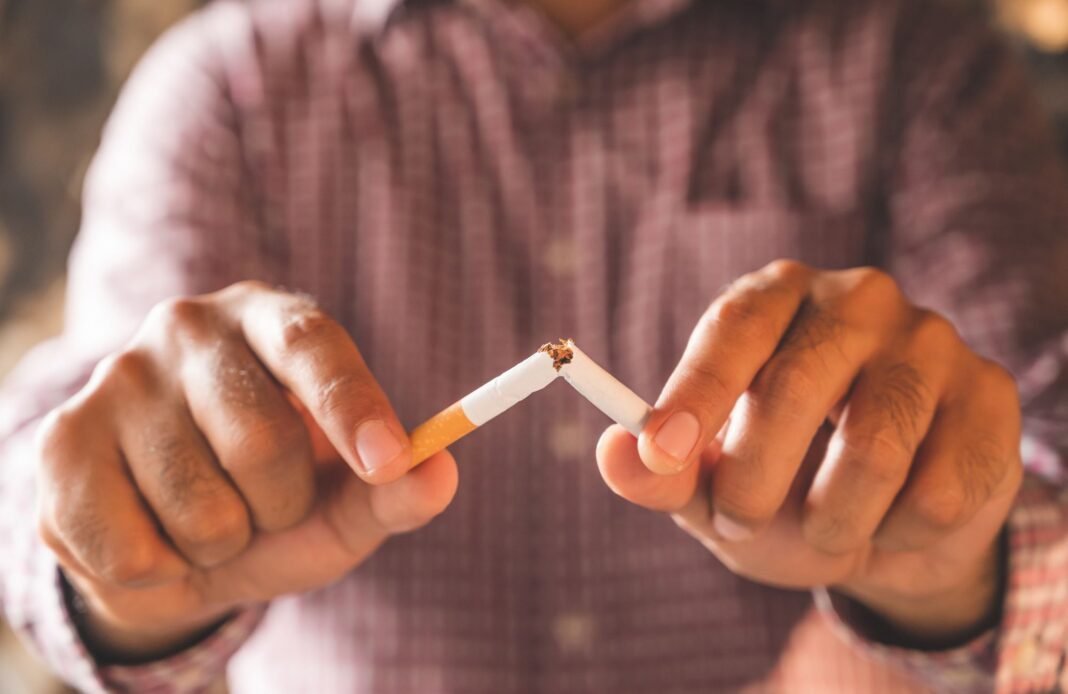
Immediate Benefits of Quitting Smoking: Quitting smoking is the single most powerful thing a person can do for their health. Most people know it is bad for them. Most people know they should stop. But what very few people realise is just how quickly the body begins to heal the moment the last cigarette is put out. The recovery does not take years. It begins in minutes.
20 Minutes After Quitting — The Body Starts Healing Immediately
Within just 20 minutes of smoking the last cigarette, the heart rate begins to drop. Blood pressure — which spikes every time a person lights up — starts to come back down to a normal, healthy level.
That is not hours. That is not days. That is twenty minutes. The body does not wait. It begins repairing itself the moment nicotine stops entering it.
12 Hours After Quitting — Carbon Monoxide Leaves the Blood
Every time a person smokes, they inhale carbon monoxide — the same toxic gas that comes out of a car exhaust pipe. It binds to red blood cells and reduces the amount of oxygen the blood can carry around the body.
Within 12 hours of quitting, carbon monoxide levels in the blood drop back to normal. The red blood cells begin carrying oxygen properly again. The heart no longer has to work harder than it should to compensate.
24 Hours After Quitting — Nicotine Disappears From the Blood
After just 24 hours, the nicotine level in the blood drops to zero. The body is already chemical-free in terms of nicotine.
This is also the point where the risk of a heart attack begins to fall. The CDC confirms that within just one day of quitting, the risk of coronary events starts to measurably decline.
48 Hours After Quitting — The Senses Come Back to Life
At around 48 hours, something remarkable begins to happen. The nerve endings that smoking damages start to regrow. The senses of taste and smell — both of which are significantly dulled by long-term smoking — begin to come back.
Food starts tasting the way it should. Everyday smells become noticeable again. Many people who quit describe this as one of the most surprising and enjoyable early benefits. They had forgotten how good food actually tastes.
2 Weeks to 3 Months — Lungs and Circulation Rebuild
Between two weeks and three months after quitting, the physical improvements become hard to ignore. Circulation improves significantly throughout the entire body. Lung function increases by up to 30%.
Walking up stairs becomes easier. Running for a bus does not leave a person gasping. The chronic cough that most smokers have — which is the lungs trying desperately to clear themselves — begins to ease off. Breathing is noticeably cleaner and deeper.
The American Heart Association confirms that circulation begins improving within two weeks and continues strengthening for months after the last cigarette.
1 to 9 Months — The Lungs Begin Serious Repair
Between one and nine months after quitting, the cilia — tiny hair-like structures lining the airways — regrow. These are destroyed by smoking and are essential for cleaning the lungs and fighting off infection.
As they regenerate, mucus clears from the airways. Coughing decreases. Shortness of breath reduces. The lungs become dramatically better at fighting chest infections and preventing respiratory illness. For people with asthma, symptoms often improve noticeably during this period.
1 Year After Quitting — Heart Attack Risk Drops by Half
One full year without smoking is a milestone that carries an extraordinary reward. The risk of coronary heart disease and heart attack is now half that of someone who is still smoking.
That is not a small improvement. That is a 50% reduction in the risk of one of the leading causes of death in the world — achieved simply by stopping one habit.
5 to 10 Years After Quitting — Cancer Risk Drops Dramatically
At five years, the risk of cancers of the mouth, throat, oesophagus, and bladder is cut in half. The risk of cervical cancer falls to the same level as someone who has never smoked.
At ten years, the risk of dying from lung cancer is approximately half that of a person who is still smoking. The body continues healing in ways most people simply do not expect to be possible at this stage.
15 Years After Quitting — Back to Normal
At fifteen years, the risk of coronary heart disease is the same as someone who has never smoked a single cigarette in their life.
That is the full circle. Fifteen years of not smoking and the heart does not remember that the person ever smoked. The body’s capacity for recovery across that timescale is genuinely extraordinary.
The Other Benefits Nobody Talks About
Beyond the medical timeline, quitting smoking delivers a range of everyday benefits that improve quality of life almost immediately:
- Food tastes better — within days of quitting
- Breath, hair, clothes, and home smell better — immediately noticeable to others
- Teeth and fingernails stop yellowing — stains begin to fade
- Skin looks healthier — improved circulation means a better complexion
- More energy — the body gets more oxygen and uses it more efficiently
- Money saved — hundreds or thousands of pounds every single year
- Better sleep — nicotine withdrawal from overnight sleep disrupts sleep far less once the habit stops
- Improved mental health — studies show anxiety and depression levels drop significantly after quitting
The Full Recovery Timeline
| Time After Quitting | What Happens |
|---|---|
| 20 minutes | Heart rate and blood pressure drop |
| 12 hours | Carbon monoxide levels return to normal |
| 24 hours | Nicotine leaves the blood completely |
| 48 hours | Taste and smell begin returning |
| 2–3 months | Circulation improves, lung function up 30% |
| 1–9 months | Airways clear, coughing reduces |
| 1 year | Heart attack risk drops by 50% |
| 5–10 years | Cancer risks halved across multiple types |
| 15 years | Heart disease risk same as a non-smoker |
It is never too late to quit. The body does not care how long a person has smoked or how heavily. The moment they stop, the healing begins. Every hour, every day, and every year without a cigarette is a step back towards the health the body was always supposed to have. According to the NHS Better Health quit smoking guidance, quitting at any age adds years to life and dramatically improves the quality of the years that remain. The most important cigarette to never smoke is always the next one.