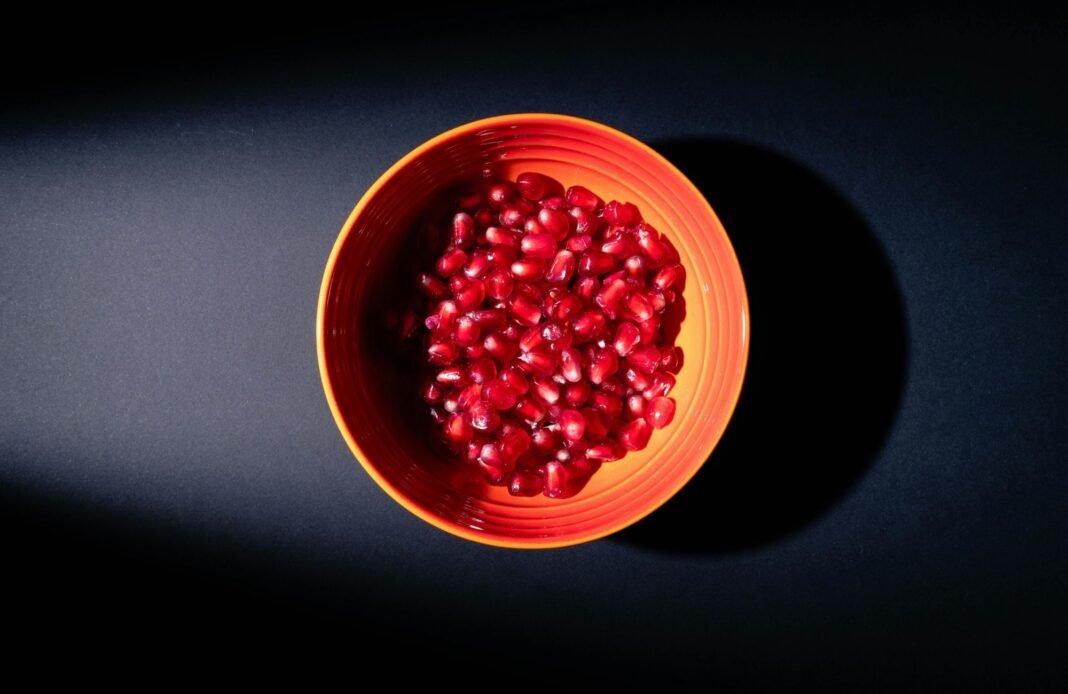
Is it Good to eat the Pomegranate Seeds? Most people crack open a pomegranate, scoop out the red arils, and never give the little seed inside a second thought. Some people spit it out. Others simply swallow it without knowing what they are actually eating. But here is the truth — that tiny seed is one of the most nutritious things inside the entire fruit. Eating it is not just safe. It is genuinely good for you.
What Exactly Is Inside a Pomegranate?
When you break open a pomegranate, those bright red jewel-like pieces are called arils. Each aril is a small sac of sweet juice wrapped around a firm little seed at its centre. The juice is what most people are after. But the seed inside has its own story to tell.
The seed has a slightly crunchy texture and a mild, nutty taste. It is completely edible and adds a pleasant texture when you chew the whole aril together. Some people prefer to spit it out and that is fine too. But throwing it away means you are leaving real nutrition on the table.
What Nutrients Do Pomegranate Seeds Actually Contain?
Half a cup of pomegranate arils — seeds included — gives the body a genuinely impressive range of nutrients:
- Vitamin C — 8.87mg, supporting immune health and glowing skin
- Potassium — 205mg, keeping the heart and muscles working properly
- Magnesium — 10.4mg, essential for bones and the nervous system
- Vitamin E — concentrated heavily in the seeds themselves
- Fibre — 3.48g per half cup, brilliant for digestion
- Punicic acid — a rare fatty acid found in almost no other food on earth
All of that comes in at just 83 calories per 100g. That is an extraordinary amount of nutrition for such a small calorie cost.
They Are One of the Richest Sources of Antioxidants on the Planet
Here is something that surprises most people. The antioxidant levels in pomegranate are measurably higher than those found in red wine or green tea. Both of those are famous for their antioxidant content, and pomegranate still beats them.
These antioxidants — mainly phenolic compounds and flavonoids — protect the body’s cells from oxidative damage caused by free radicals. That damage, when left unchecked, is one of the root causes of chronic disease, premature ageing, and even cancer. Eating pomegranate seeds regularly is one of the simplest ways to fight that process from the inside.
They Do Remarkable Things for Heart Health
The cardiovascular benefits of pomegranate seeds are well documented. They actively reduce LDL cholesterol — the bad kind that builds up in the arteries over time. They lower blood pressure. They improve the health of the blood vessel walls.
The American Heart Association has acknowledged the cardiovascular benefits of pomegranates and confirmed that eating the whole aril, seed and all, is completely safe and beneficial for heart health. Eating a small portion regularly over weeks and months adds up to a meaningful long-term benefit for the cardiovascular system.
They Help the Body Manage Blood Sugar
For anyone watching their blood sugar levels, pomegranate seeds are worth paying close attention to. Research shows that the compounds inside them improve insulin sensitivity and help the body handle glucose more efficiently after meals.
One study finds that drinking just 200ml of pomegranate juice per day for six weeks produces a significant reduction in blood pressure among people with type 2 diabetes. The seed extract carries strong anti-inflammatory properties that benefit metabolic health more broadly.
If you are on diabetes medication, speak to your doctor before making pomegranate seeds a daily habit. They are powerful enough to interact with existing treatment.
They Keep the Gut Running Smoothly
The fibre inside pomegranate seeds is the insoluble kind. It moves through the digestive system, clears out waste, and keeps everything functioning the way it should. It also feeds the healthy bacteria already living in the gut — acting as a natural prebiotic.
According to WebMD’s review of pomegranate health benefits, this prebiotic effect is directly linked to a reduced long-term risk of inflammatory bowel disease, colorectal cancer, and type 2 diabetes. Most people notice an improvement in digestion within just a few days of adding them to their regular diet.
They Fight Inflammation in the Body
Pomegranate seeds contain punicic acid — a completely unique fatty acid that is almost impossible to find anywhere else in the natural world. Animal studies on this compound show it reduces inflammation in both the body and the brain at the same time.
For people dealing with joint pain, arthritis, swelling, or any condition rooted in chronic inflammation, pomegranate seeds are one of the best natural foods they can add to their daily diet. The relief is not instant, but it is real and it builds over time.
They Make Skin Healthier and Hair Stronger
What goes inside the body always shows on the outside. The antioxidants in pomegranate seeds fight the free radicals that break down collagen and cause premature skin ageing. Research shows that regular pomegranate consumption increases the skin’s resistance to UV damage noticeably.
The seeds are also directly linked to stronger collagen production. People who eat them regularly notice firmer, clearer skin and a healthier natural glow that comes from inside rather than from any skincare product. The same compounds nourish the hair follicles and reduce hair fall over time.
Can You Eat Too Many? Are There Any Side Effects?
Pomegranate seeds are safe for the vast majority of healthy adults. But a few things are worth being aware of before eating large amounts:
- Eating too many at once can cause bloating, loose stools, or stomach discomfort
- People with severe constipation should go slowly at first — rarely, very high intake can cause intestinal discomfort
- People with a pomegranate allergy — which is rare but exists — should avoid them completely
- Anyone on blood thinners or diabetes medication should speak to a doctor first, as the seeds can interact with these treatments
A sensible starting point for most people is half a cup per day. That amount delivers the full range of benefits without putting any strain on the digestive system.
Simple and Delicious Ways to Eat Pomegranate Seeds
Getting them into your daily diet is easier than most people think. Here are some of the best ways:
- Scatter them over a green salad for a pop of sweetness and crunch
- Stir them into morning yogurt or oatmeal
- Blend them into a smoothie for added nutrition
- Spoon them over hummus as a colourful topping
- Squeeze the juice and mix it with water or sparkling water for a refreshing drink
- Simply eat them straight from the fruit as a snack
Pomegranate Seeds at a Glance — Nutrition per Half Cup
| Nutrient | Amount |
|---|---|
| Calories | 72 |
| Fibre | 3.48g |
| Vitamin C | 8.87mg |
| Potassium | 205mg |
| Magnesium | 10.4mg |
| Fat | 1g |
| Protein | 1.5g |
There are very few foods that taste this good and do this much for the body at the same time. Pomegranate seeds fight inflammation, protect the heart, feed good gut bacteria, clear the skin, and load the body with antioxidants that most people simply do not get enough of from the rest of their diet. So the next time you eat a pomegranate, do not spit out the seed. It is not just safe to eat — it is one of the best parts of the whole fruit.