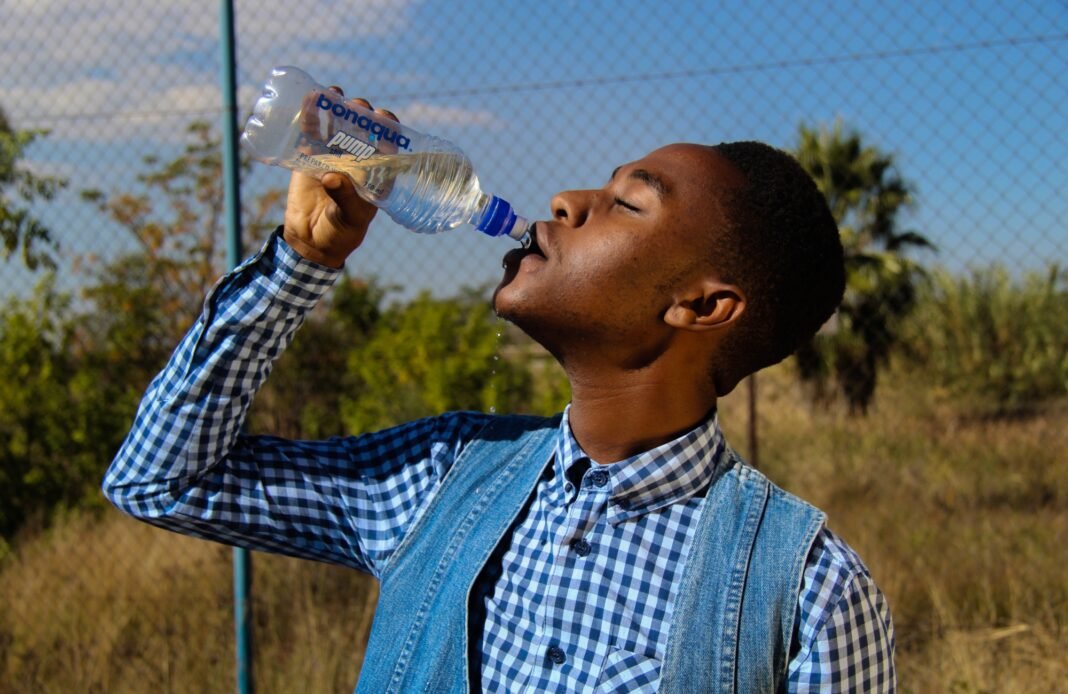
Why is Drinking Water Healthy? Your body is 60% water. Every organ needs it. Every cell uses it. No food, no supplement, nothing replaces what water does for the body.
1. Every Organ Depends on It
The brain needs water to produce hormones and neurotransmitters. The kidneys need it to filter waste. The lungs need it to stay moist for breathing. The heart needs it to pump blood properly.
Cut water intake and every one of these systems slows down. Even a 1% drop in body hydration is enough to affect organ performance.
2. Controls Body Temperature
Sweat is the body’s cooling system. Sweat is mostly water. No water, no sweat. Body temperature goes up. Heat exhaustion follows.
Athletes can lose up to 2 litres of water per hour. Replacing that fluid keeps muscles working and temperature in range.
3. Sharpens the Brain
Mild dehydration affects memory. It slows reaction time. It reduces concentration. Studies confirm this in adults and children.
Dehydrated people score lower on tests of attention, short-term memory, and psychomotor skills. Drinking water reverses this within 20 minutes.
4. Lifts Mood and Reduces Headaches
Low hydration raises anxiety. It worsens mood. It triggers headaches and migraines in people prone to them.
A study followed adults with recurrent headaches. After 3 months of drinking more water daily, frequency and severity dropped significantly.
5. Helps With Weight Loss
500ml of water before a meal reduces how much food you eat. It fills the stomach. Hunger signals ease off.
A study of 50 women drinking 500ml three times daily before meals lost measurable body weight and body fat over 8 weeks with no other dietary changes. Metabolic rate also rises slightly after drinking cold water.
6. Prevents Kidney Stones
Minerals in concentrated urine bind together and form stones. More water dilutes that concentration. Minerals flush out before crystals form.
A UC San Francisco study found 8 cups of water daily cut the risk of repeat kidney stones significantly.
7. Fixes Constipation
Dehydration causes the colon to pull water from stools. They harden. Passing them becomes painful.
Adequate water intake combined with fibre keeps the bowel moving. No medication needed. No special supplements. Just water and fibre.
8. Protects Joints and Spine
Cartilage in joints is 80% water. Chronic dehydration degrades cartilage. Joint pain develops. Movement becomes restricted.
Water also cushions the spinal cord and surrounding nerve tissue from daily impact and compression.
9. Flushes Waste From the Blood
Kidneys filter blood urea nitrogen out of the body through urine. Blood urea nitrogen is water-soluble. It passes easily when hydration is adequate.
Poor hydration means waste builds up in the blood. Over months and years that damages kidney tissue.
10. Cuts UTI Risk
UTIs happen when bacteria colonise the urinary tract. Regular urination flushes them out before they multiply.
Women with recurrent UTIs who drank 6 extra cups of water daily cut their infection frequency in half and increased the gap between infections.
11. Keeps Skin Firm
Dehydrated skin looks dry and aged. Skin cells are mostly water. Without enough of it they shrink and lose elasticity.
Staying hydrated keeps skin cells plump. It does not replace topical skincare. But it makes a visible difference from the inside.
12. Supports Muscles
Muscles are 80% water. Lose fluid and they shrink. Fatigue hits faster. Cramps become more likely.
The American College of Sports Medicine recommends 500ml of water 2 hours before exercise and regular sips throughout.
13. Lowers Blood Sugar
Diabetic patients who drank 4 extra cups of water daily showed measurable drops in blood glucose levels in clinical research.
Proper hydration supports glucose regulation. It is not a diabetes cure. But it is a cheap and effective supporting measure.
Daily Water Targets
| Group | Daily Target |
|---|---|
| Adult men | 3.7 litres (15.5 cups) |
| Adult women | 2.7 litres (11.5 cups) |
| Children 4–8 | 5 cups |
| Children 9–13 | 7–8 cups |
| Active adults | More depending on sweat loss |
Signs You Are Not Drinking Enough
- Dark yellow urine
- Dry mouth and cracked lips
- Midday headaches
- Difficulty focusing
- Persistent low energy
- Hard stools or constipation
Simple Ways to Drink More
- One glass first thing every morning
- One glass before every meal
- Keep a bottle visible on your desk
- Add lemon or cucumber slices to plain water
- Eat fruits and vegetables with high water content