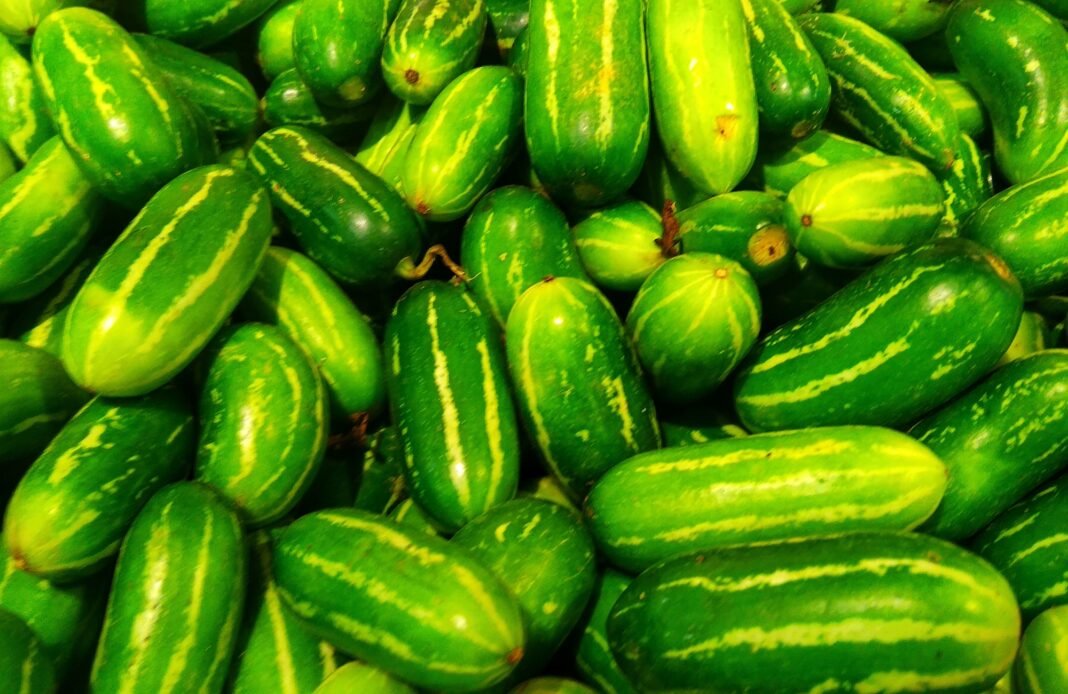
Benefits of Eating Kundru: Kundru is a small green vegetable. Its scientific name is Coccinia grandis. People also call it ivy gourd, tindora, and tindli. It grows across India, Africa, and Southeast Asia. It weighs almost nothing in calories — just 18 to 21 per 100 grams. Yet it carries Vitamins A, B1, B2, and C, plus iron, calcium, potassium, and fibre. Ayurvedic doctors have prescribed it for diabetes and liver problems for centuries.
Kundru Nutrition Per 100 Grams
| Nutrient | Amount |
|---|---|
| Calories | 18–21 kcal |
| Protein | 1.2 g |
| Fat | 0.1 g |
| Fibre | 1.6 g |
| Vitamin C | 28 mg |
| Beta-Carotene | 2.24 mg |
| Lycopene | 5.68 mg |
| Calcium | 25 mg |
| Iron | 0.7 mg |
| Potassium | 193 mg |
| Water Content | 90–92% |
1. Controls Blood Sugar
Kundru contains compounds with hypoglycaemic properties. They improve how the body uses insulin. They slow glucose absorption from the intestines.
Blood sugar stays steadier after meals. People with Type 2 diabetes see real results. People at risk of diabetes can slow its progression. No other common kitchen vegetable has this level of blood sugar evidence behind it.
2. Helps With Weight Loss
Kundru is low in calories. It is high in fibre and water. Fibre slows digestion. Water adds bulk. Both reduce hunger for hours.
You eat less at the next meal. You skip the snacks in between. The weight comes down gradually. It is not a miracle food. It just works by keeping you full without loading the body with calories.
3. Supports Digestion
Fibre in kundru keeps the digestive tract moving. Constipation eases. Bowel movements become regular. The gut lining stays hydrated from the high water content.
Kundru also acts as a prebiotic. It feeds the good bacteria in the colon. Those bacteria reduce inflammation and support immunity at the same time.
4. Strengthens Immunity
One hundred grams of kundru gives you about 28mg of Vitamin C. That covers roughly 31% of your daily requirement. Vitamin C builds white blood cells. White blood cells fight infections.
Kundru also carries natural antibacterial and antifungal compounds. These target infections directly. People who eat it regularly get sick less often during cold and flu season.
5. Good for the Heart
Fibre in kundru lowers bad cholesterol. Beta-carotene fights oxidative damage in blood vessels. Potassium keeps blood pressure in range.
All three effects protect the heart from different directions. Lower cholesterol means cleaner arteries. Healthy blood pressure means less strain on the heart muscle every single day.
6. Reduces Inflammation
Kundru contains saponins, alkaloids, flavonoids, and glycosides. Research confirms these compounds reduce inflammatory markers in the body.
Long-term inflammation causes arthritis, diabetes, and heart disease. Eating kundru regularly helps keep that baseline inflammation down. It is one of the reasons traditional medicine has used it for joint pain for generations.
7. Fights Cancer Risk
A 2017 study in the Avicenna Journal of Phytomedicine confirmed kundru has antioxidant and anti-cancer properties.
Beta-carotene and Vitamin C neutralise free radicals. Free radicals damage cells and drive cancer growth. Eating kundru adds a natural protective layer against that cellular damage.
8. Protects the Liver
Kundru has hepatoprotective properties. It shields liver cells from toxins and oxidative stress. Traditional Ayurvedic practitioners used it specifically for liver complaints.
Modern research supports those historical uses. A healthy liver clears toxins faster and supports better metabolism throughout the body.
9. Prevents Kidney Stones
Kundru is mostly water. More water in the body means more urine. More urine flushes minerals out before they can form crystals in the kidneys.
Its mild diuretic effect lowers the concentration of calcium and oxalate in the urine. Lower concentration means lower risk of stone formation.
10. Improves Skin and Hair
Vitamin C triggers collagen production. Collagen keeps skin firm. Vitamin A renews skin cells. Beta-carotene gives the skin a healthy tone.
Iron prevents the hair loss that comes with anaemia. Potassium and calcium feed hair roots. Regular kundru consumption shows visible results in both skin texture and hair strength over weeks.
Side Effects to Watch
Kundru is safe for most people when eaten as a regular food. But a few cautions apply.
- People on diabetes medication should watch blood sugar. Kundru lowers it further
- Pregnant women should talk to a doctor before eating it in large amounts
- Do not overcook it. Heat destroys most of the Vitamin C content
How to Eat Kundru
Slice it thin. Cook it dry with cumin, garlic, and onion. Add it to lentil curry. Toss it in a stir-fry. Eat it fresh and in season through summer months. The skin is edible. The entire vegetable is nutritious. No part of it is wasted.