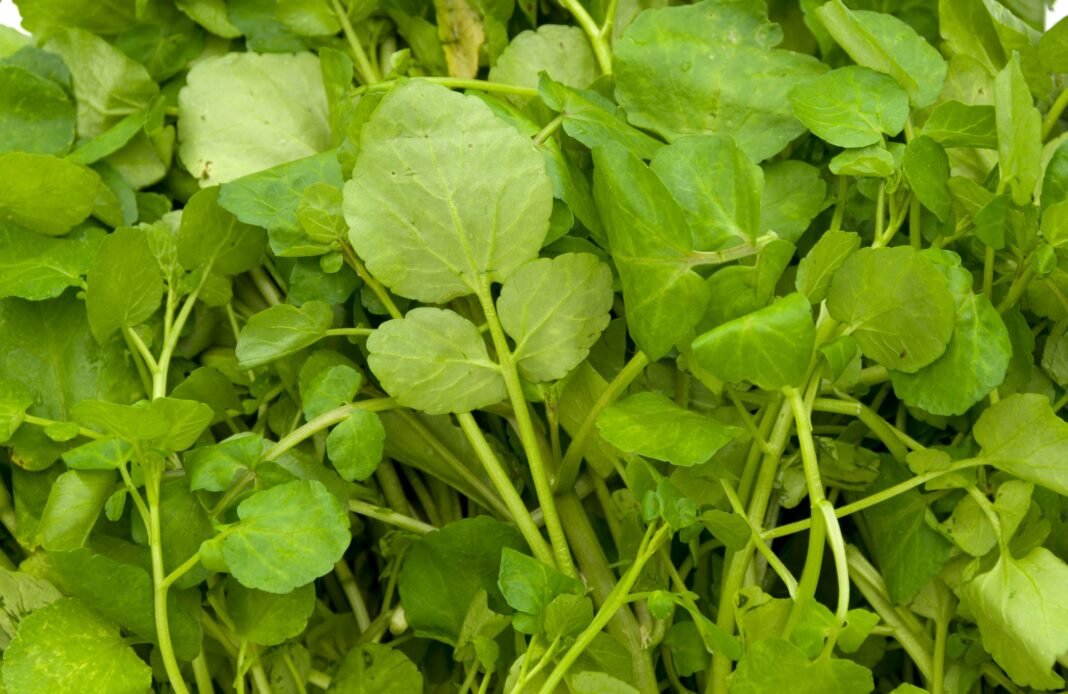
Amazing Health Benefits of Watercress: Watercress is a leafy green vegetable. It grows near streams and water. It belongs to the same family as broccoli and kale. One cup has only 4 calories. It provides over 100% of daily Vitamin K. Nutritionists rank it among the most nutrient-dense foods on Earth.
Watercress Nutrition Per Cup (34g)
| Nutrient | Amount |
|---|---|
| Calories | 4 kcal |
| Vitamin K | 106% DV |
| Vitamin C | 24% DV |
| Vitamin A | High |
| Calcium | 4% DV |
| Manganese | 4% DV |
| Water Content | 95% |
1. Rich in Antioxidants
Watercress contains beta-carotene, lutein, and zeaxanthin. All three fight free radical damage. Free radicals cause cancer, diabetes, and heart disease. High antioxidant intake reduces all three risks.
2. Good for the Heart
Watercress contains dietary nitrates. Nitrates lower blood vessel stiffness. They reduce arterial inflammation. They raise nitric oxide in the blood. Nitric oxide drops blood pressure.
One study found watercress extract cut LDL cholesterol by 53% in 10 days.
3. Fights Cancer
Watercress contains isothiocyanates. These stop cancer cells from spreading. They trigger cancer cell death.
A study found watercress reduced lymphocyte DNA damage significantly. Smokers saw the greatest protective effects.
4. Strengthens Bones
Vitamin K activates the protein that binds calcium to bone. Watercress provides 106% of daily Vitamin K per cup.
People with high Vitamin K intake are 35% less likely to suffer hip fractures.
5. Boosts Immunity
One cup of watercress gives 15mg of Vitamin C. That covers around 17% of daily requirement.
Vitamin C increases white blood cell production. White blood cells fight infection directly.
6. Protects Eyes
Watercress is rich in Vitamin A. Vitamin A keeps retinas healthy. It supports clear eyesight.
Lutein and zeaxanthin protect against age-related macular degeneration. Both filter light that damages retinal cells.
7. Improves Athletic Performance
Nitrates in watercress raise nitric oxide in the blood. Higher nitric oxide sends more oxygen to muscles.
Athletes who ate watercress before exercise showed measurably less DNA damage afterward.
8. Aids Digestion
Fibre in watercress keeps the gut moving. Plant compounds feed good gut bacteria.
Its 95% water content hydrates the gut lining. Bloating and constipation reduce with regular intake.
9. Supports Weight Management
One cup has just 4 calories. Water content is 95%. Fibre is high.
The stomach fills up. Hunger drops. No caloric impact follows.
10. Protects the Kidneys
A 2021 study gave watercress extract to kidney dialysis patients for four weeks. The watercress group showed reduced harmful molecules in the body. Antioxidant enzyme activity improved significantly.
11. Improves Skin
Vitamin C triggers collagen production. Collagen keeps skin firm. Vitamin A renews skin cells.
Beta-carotene improves skin tone. Antioxidants slow visible ageing.
12. Supports Mental Health
Watercress contains folate and Vitamin C. Both support neurotransmitter production.
Low folate links to higher rates of depression. Regular watercress intake supports stable mood.
13. Reduces Inflammation
Isothiocyanates in watercress suppress inflammatory pathways.
Traditional medicine used watercress for arthritis and bronchitis. Modern research confirms anti-inflammatory effects at a molecular level.
How to Eat It
Add it raw to salads. Blend it into smoothies. Stir it into soups. Do not overcook it. Heat destroys the isothiocyanates. Raw or lightly wilted works best.