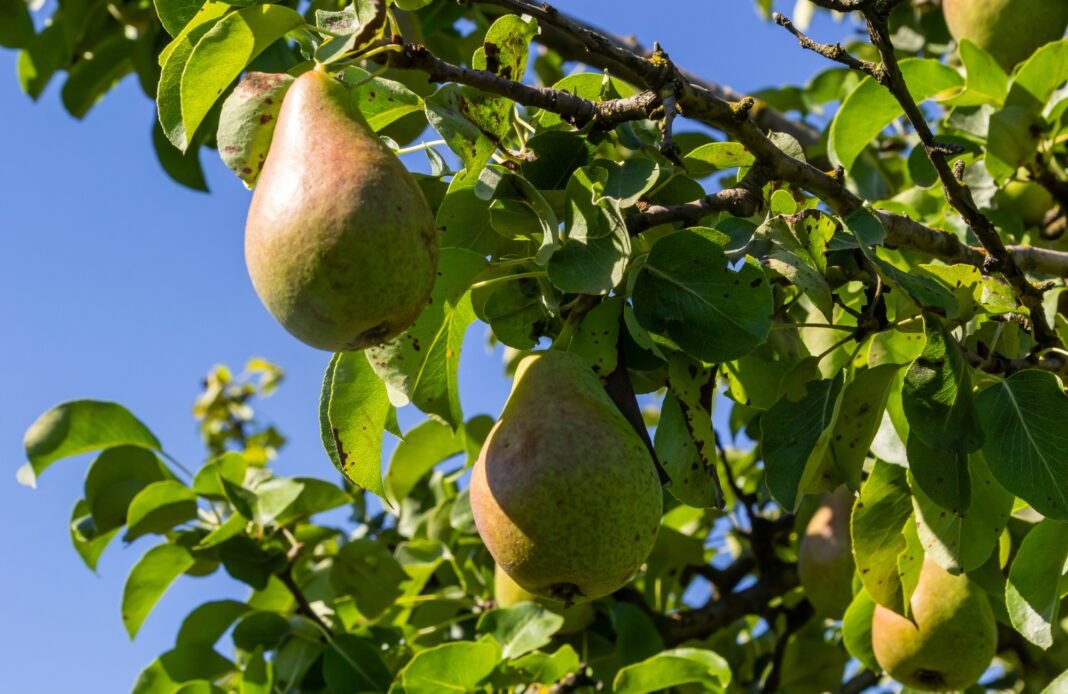
What are the Health Benefits of Pear? Pears are sweet, juicy, and full of nutrition. One medium pear contains just 102 calories. It delivers 6 grams of fibre, vitamins C and K, potassium, copper, and powerful plant antioxidants. Few fruits pack that much value into so few calories.
1. Excellent Source of Fibre
One medium pear provides 6 grams of fibre. That is around 21% of your daily requirement. It is more fibre than an apple or banana.
Fibre keeps your digestive system moving. It softens stools. It reduces constipation. In a study of 80 people with constipation, pectin from pears significantly improved food movement through the digestive tract.
2. Supports Gut Health
Pears contain pectin. Pectin is a soluble fibre that feeds the good bacteria in your colon. Healthy gut bacteria reduce inflammation throughout the body.
A healthy gut microbiome also supports your immune system and mental health. Always eat the skin. A significant portion of the pear’s total fibre sits in the skin layer.
3. Helps Control Blood Sugar
Pears have a low glycaemic index. Their fibre slows the absorption of sugar into the bloodstream. Blood sugar stays steady. Energy stays consistent.
They also contain anthocyanin. Anthocyanin is an antioxidant linked to a lower risk of Type 2 diabetes. Studies show each serving of pears eaten per week reduces that risk by 3%.
4. Protects Your Heart
Pears are rich in procyanidins. These antioxidants reduce stiffness in heart tissue. They lower LDL (bad) cholesterol. They raise HDL (good) cholesterol.
Their potassium content reduces high blood pressure. Their fibre lowers total cholesterol. People who eat pears and apples regularly show significantly lower rates of death from cardiovascular disease.
5. Reduces Inflammation
Pears are packed with flavonoids. Flavonoids are anti-inflammatory plant compounds. They reduce the cellular damage that leads to chronic disease.
High flavonoid intake is linked to lower risk of cancer, heart disease, stroke, Alzheimer’s disease, Parkinson’s disease, and Type 2 diabetes. One piece of fruit. A very long list of protections.
6. Boosts Immunity
Pears contain Vitamin C. Vitamin C produces and protects immune cells. It fights off viruses and bacteria.
The copper in pears also plays a direct role in immune defence. Copper supports cholesterol metabolism and nerve function at the same time. One medium pear provides 8% of your daily Vitamin C value.
7. Supports Weight Management
Pears are low in calories. They are high in fibre and water. Both create a feeling of fullness that lasts.
People who feel full eat less. People who eat less consume fewer calories. Studies link pear consumption to lower BMI and healthier body weight over time.
8. Detoxifies the Body
Pears have high water content. That water keeps stools soft. It flushes toxins out of the digestive system through regular bowel movements.
Their fructose and fibre content works as a natural mild laxative. The liver and kidneys work more efficiently when the digestive system clears waste regularly.
9. Good for Skin Health
Vitamin C in pears supports wound healing and skin repair. Provitamin A supports the constant replacement of old skin cells.
Their antioxidants fight the free radicals responsible for premature skin ageing. Eating pears consistently contributes to clearer, healthier-looking skin over time.
10. Supports Bone Health
Pears contain Vitamin K, copper, and potassium. All three play a role in maintaining bone density and preventing bone loss.
Vitamin K activates proteins that bind calcium to bone tissue. Potassium neutralises acids in the body that would otherwise leach calcium from bones.
Pear Nutrition
Always Eat the Skin
The skin of a pear contains the highest concentration of fibre, antioxidants, and flavonoids in the entire fruit. Peeling it removes the most valuable part. One pear a day, eaten whole, is one of the simplest and most effective dietary habits anyone can build.