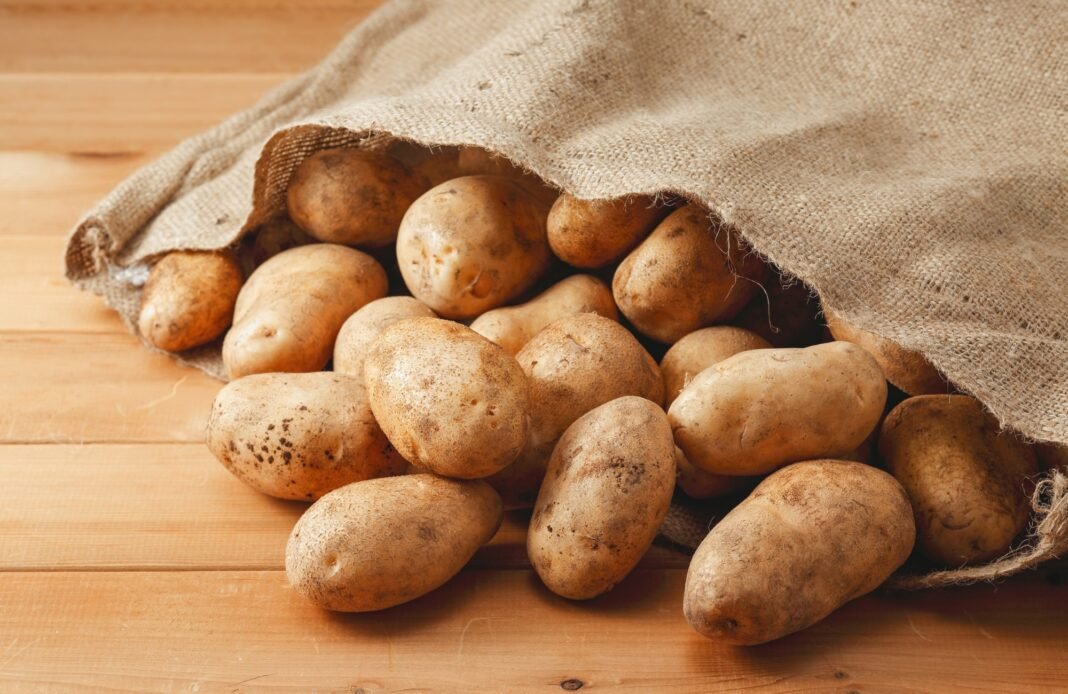
Potato vs Sweet Potato: Both are root vegetables. Both are eaten by billions of people around the world. Both are filling, affordable, and versatile in the kitchen. But they are not the same plant. They are not even closely related. Their nutritional profiles tell two very different stories.
Nutrition Comparison (Per Medium Serving)
| Nutrient | Potato (Russet) | Sweet Potato |
|---|---|---|
| Calories | 108 | 103 |
| Protein | 3g | 2.3g |
| Fat | 0.1g | 0.2g |
| Carbohydrates | 24.4g | 23.6g |
| Fibre | 2.6g (9% DV) | 3.8g (14% DV) |
| Vitamin A | 0% DV | 122% DV |
| Vitamin C | 11% DV | 25% DV |
| Vitamin B6 | 24% DV | 19% DV |
| Manganese | 11% DV | 25% DV |
| Potassium | Higher | Slightly Lower |
Calories
The calorie difference is minimal. A russet potato carries 108 calories. A sweet potato carries 103.
Neither is a high-calorie food on its own. The problem is always what you add to them. Butter, oil, cheese, and cream multiply the calorie count rapidly. Eaten plain or baked, both are perfectly suitable for weight-conscious diets.
Fibre
Sweet potato wins here. It delivers 3.8 grams of fibre versus 2.6 grams in a regular potato.
More fibre means better digestion. It means longer-lasting fullness. It means more consistent blood sugar levels after eating. The gap is not enormous. But over daily consumption it adds up.
Vitamins
This is where sweet potato clearly pulls ahead. One medium sweet potato delivers 122% of your daily Vitamin A requirement. A regular potato delivers almost none.
Sweet potato also wins on Vitamin C, Vitamin E, Vitamin B2, Vitamin B5, and manganese. Cooked sweet potato contains 1,921 times more Vitamin A than a regular potato. That single number defines the vitamin comparison.
Regular potato fights back on Vitamin B6, folate, and potassium. It is not without nutritional merit. It simply cannot match the vitamin density of its orange counterpart.
Minerals
Regular potato takes the mineral category. It is higher in potassium, Vitamin B1, and folate.
Potassium is critical for heart health and blood pressure regulation. Both potatoes actually contain more potassium than a banana. Sweet potato edges ahead on calcium, iron, and phosphorus when boiled.
Glycaemic Index
This matters most for people managing blood sugar. Sweet potato has a lower glycaemic index than regular potato. It causes a slower, steadier rise in blood sugar.
A boiled regular potato has a GI of around 82. A boiled sweet potato sits between 46 and 61. The cooking method changes the number significantly for both. Boiling is always better than baking or frying for blood sugar management.
Starch Content
Regular potato contains 2.5 times more starch than sweet potato. Starch raises blood sugar faster.
Boiled potatoes contain around 15.2g of starch per 100g. Boiled sweet potatoes contain 8.1g. For diabetics or people managing insulin sensitivity, that difference matters.
Antioxidants
Sweet potato contains beta-carotene. Beta-carotene is the orange pigment that the body converts into Vitamin A. It is a powerful antioxidant.
Regular potato contains chlorogenic acid and different polyphenols. Both have antioxidant value. Purple potatoes carry anthocyanins, some of the strongest antioxidants found in any vegetable.
Protein
Regular potato wins here. It contains 3 grams of protein per medium serving. Sweet potato provides 2.3 grams.
Neither is a significant protein source. But for a vegetable, both deliver a useful amount that contributes to daily intake alongside other foods.
Which One Should You Eat?
Neither is a bad choice. Both deserve a place in a healthy diet.
Sweet potato is the better option for Vitamin A intake, fibre, and blood sugar management. Regular potato is the better option for potassium, folate, and Vitamin B6. If you are managing diabetes or weight, sweet potato edges ahead. If you need a starchy energy source for athletic performance, regular potato is just as effective. The best approach is to eat both and let each do what it does best.