Smallest Countries in the World: The Earth has 195 recognised countries. Some cover entire continents. Others are smaller than a single neighbourhood. The ten countries on this list cover so little land that most people cannot locate them on a map. Some have histories stretching back centuries. Others barely exist above sea level. All of them are fully sovereign nations.
1. Vatican City — 0.44 km²
- Continent: Europe
- Capital: Vatican City
- Population: ~800
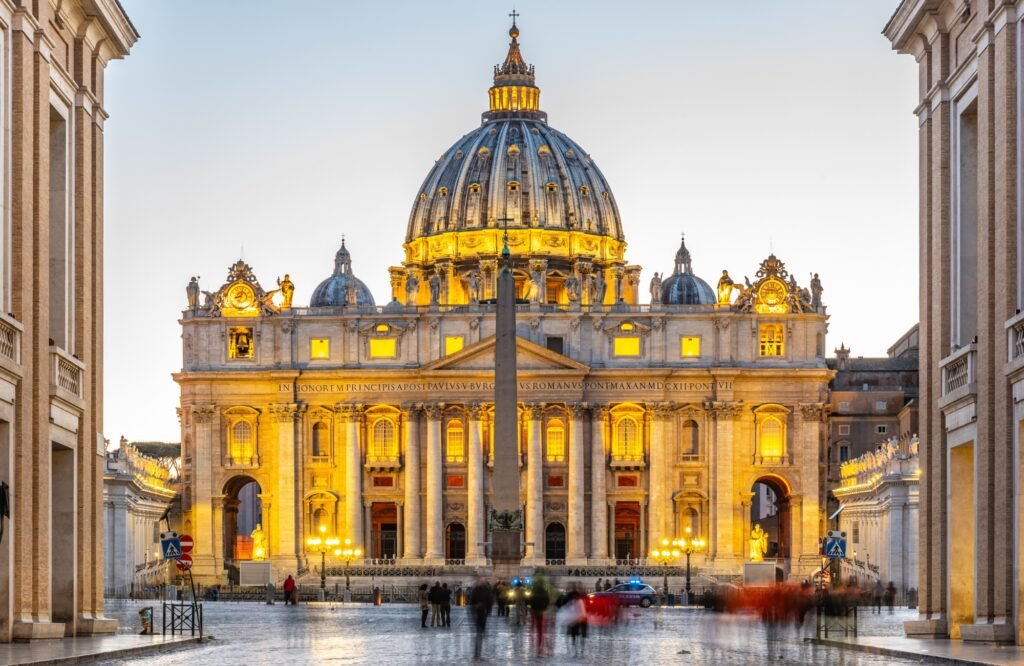
Vatican City is the smallest country on Earth. It sits entirely inside the city of Rome, Italy. The Pope is the head of state and governs the country directly. Every square metre of this tiny nation is packed with cultural and religious history. St. Peter’s Basilica, the Sistine Chapel, and the Vatican Museums all sit within its walls. Michelangelo painted the ceiling of the Sistine Chapel in the early 1500s. That ceiling now draws millions of visitors every year. The country has no army, no income tax, and its economy runs largely on tourism, philatelic sales, and donations from Catholics worldwide.
2. Monaco — 2.02 km²
- Continent: Europe
- Capital: Monaco
- Population: ~36,000
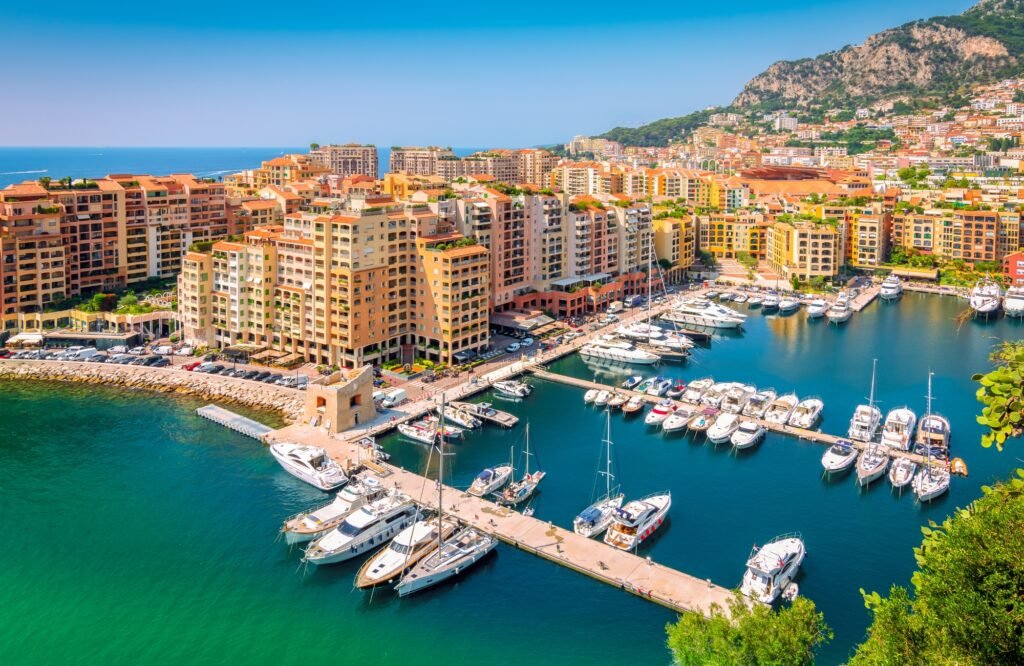
Monaco is the second smallest country in the world and the most densely populated country on the planet. It is bordered by France on three sides and the Mediterranean Sea on the fourth. The royal family, the House of Grimaldi, has governed Monaco since 1297. Today it is one of the wealthiest places on Earth. Its economy runs on luxury tourism, finance, and gambling. The Monaco Grand Prix winds through its narrow streets every May and is considered one of the most prestigious races in Formula One. Real estate prices here are among the highest recorded anywhere in the world.
3. Nauru — 21 km²
- Continent: Oceania
- Capital: Yaren (de facto)
- Population: ~12,769
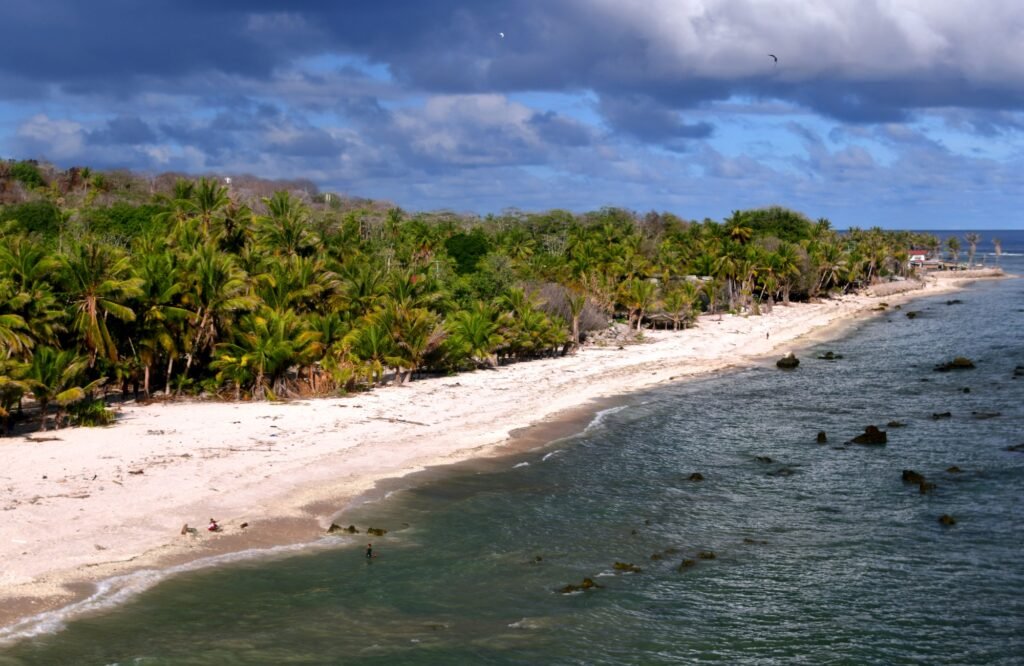
Nauru is a tiny coral island in the central Pacific Ocean. It is the smallest republic in the world and the smallest island nation by land area. During the 1970s and 1980s, Nauru became extraordinarily wealthy through phosphate mining. At its peak, it had one of the highest per capita incomes in the world. The phosphate eventually ran out. The economy collapsed. Today Nauru faces serious environmental degradation and economic hardship. It is also one of only a handful of countries without an official capital city.
4. Tuvalu — 25.8 km²
- Continent: Oceania
- Capital: Funafuti
- Population: ~11,387
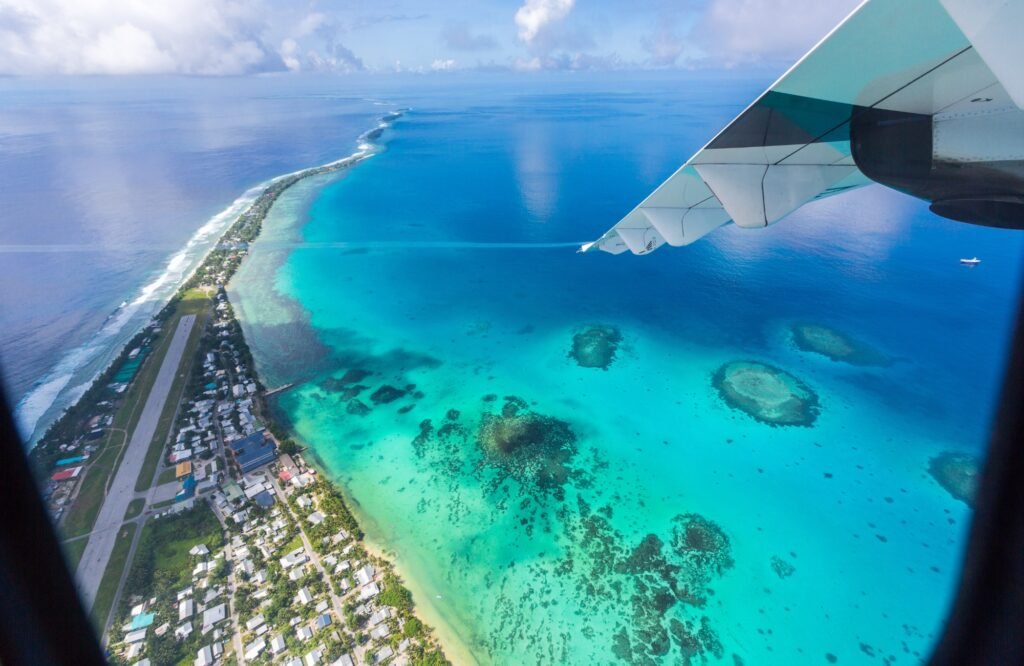
Tuvalu is made up of nine low-lying coral atolls scattered across the South Pacific. It gained independence from the United Kingdom in 1978. For decades it was one of the most isolated places on Earth with limited global connectivity. In 2000, Tuvalu sold the rights to its internet domain suffix, “.tv,” to a media company for a multi-million dollar deal. That sale funded major infrastructure projects across the islands. Today the country faces an existential threat from rising sea levels. Most of its land sits less than two metres above sea level. Without intervention, significant parts of Tuvalu could be uninhabitable within decades.
5. San Marino — 61 km²
- Continent: Europe
- Capital: San Marino
- Population: ~34,000
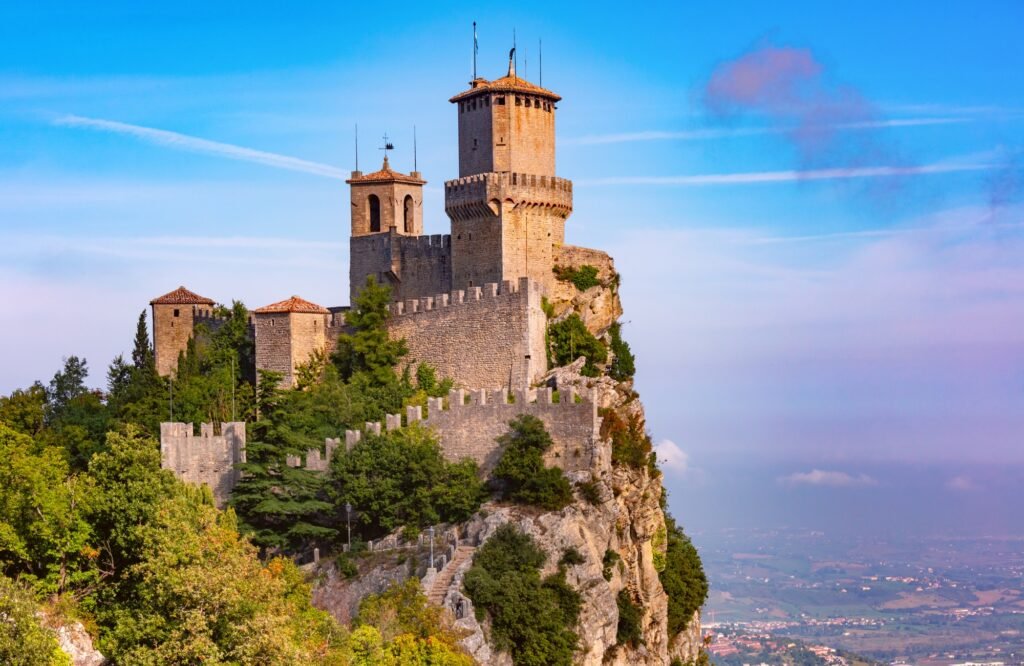
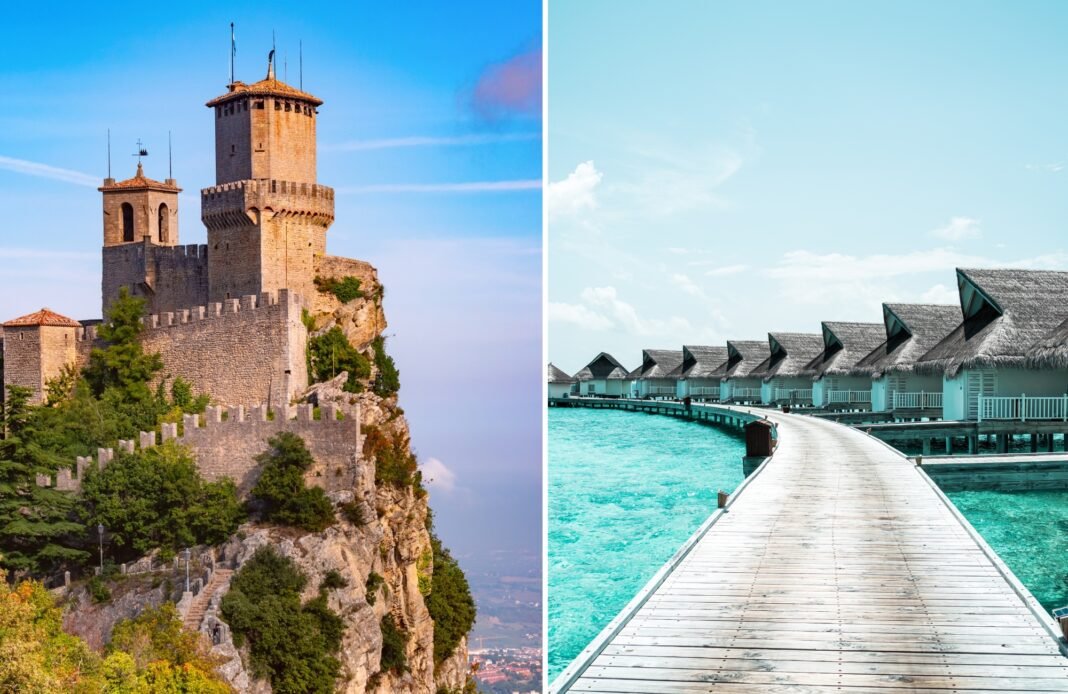
San Marino is completely surrounded by Italy. It sits on top of Mount Titano in the Apennine mountain range. It claims to be the oldest republic in the world, founded on September 3, 301 AD, by a Christian stonemason named Marinus who fled religious persecution. That claim has never been seriously challenged. San Marino has no national debt. It holds the record for the world’s lowest unemployment rate. It also has one of the highest GDPs per capita in Europe. It was never conquered, even during World War II, and has remained independent for over 1,700 years.
6. Liechtenstein — 160 km²
- Continent: Europe
- Capital: Vaduz
- Population: ~38,000
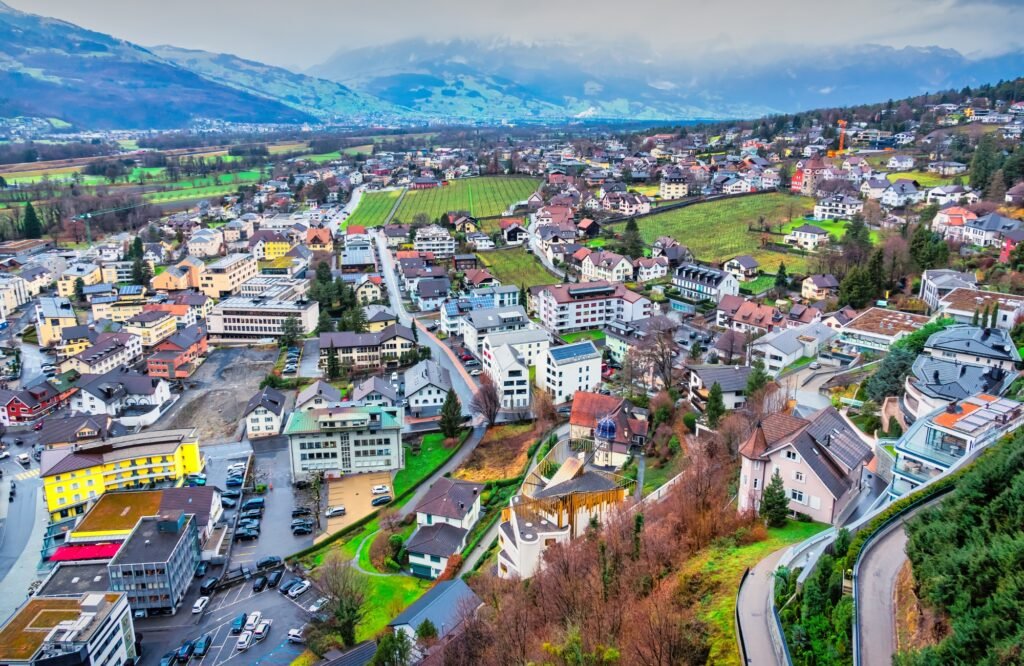
Liechtenstein is a tiny principality wedged between Switzerland and Austria. It is one of only two doubly landlocked countries in the world, surrounded entirely by other landlocked countries. The other is Uzbekistan. Liechtenstein has no military force and abolished its army in 1868 after the Austro-Prussian War. Despite its size, it has one of the highest standards of living in the world. Its economy is driven by financial services, low corporate taxes, and precision manufacturing. The ruling House of Liechtenstein has governed the principality for centuries and the current prince, Hans-Adam II, is one of the wealthiest monarchs in Europe.
7. Marshall Islands — 181 km²
- Continent: Oceania
- Capital: Majuro
- Population: ~42,000
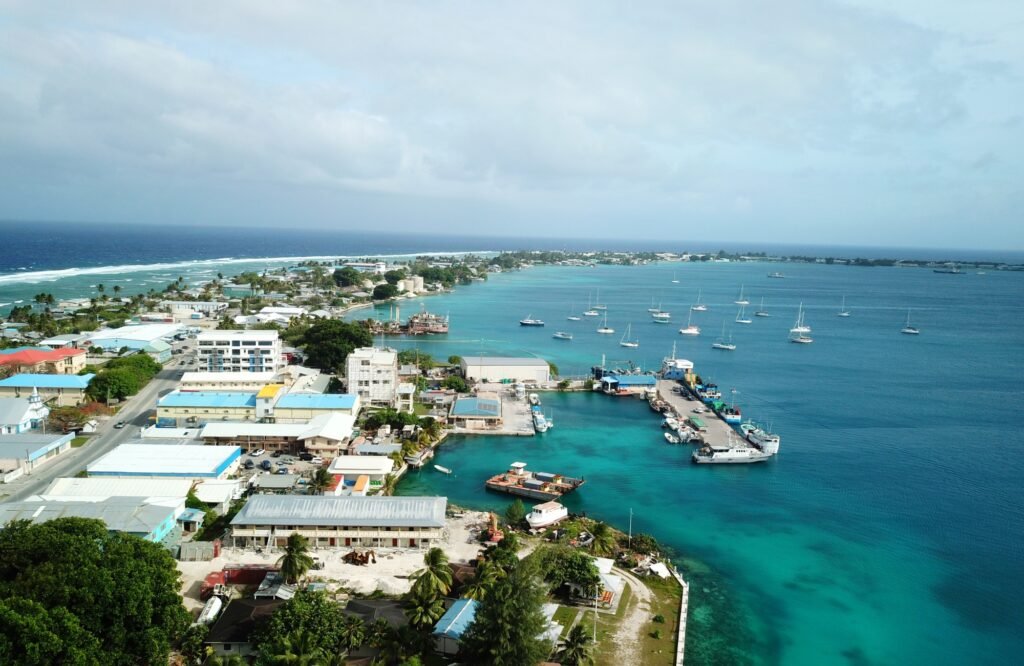
The Marshall Islands consist of 29 atolls and 5 isolated islands spread across the central Pacific Ocean. They gained independence from the United States in 1986 under a Compact of Free Association. The islands carry a dark chapter in modern history. Between 1946 and 1958, the United States conducted 67 nuclear weapons tests in the Marshall Islands, including the 1954 Castle Bravo hydrogen bomb test at Bikini Atoll. That explosion was 1,000 times more powerful than the bomb dropped on Hiroshima. Radiation poisoned communities and contaminated land that remains restricted today. The islands are also deeply vulnerable to rising sea levels and increasingly severe tropical storms.
8. Saint Kitts and Nevis — 261 km²
- Continent: North America (Caribbean)
- Capital: Basseterre
- Population: ~47,745
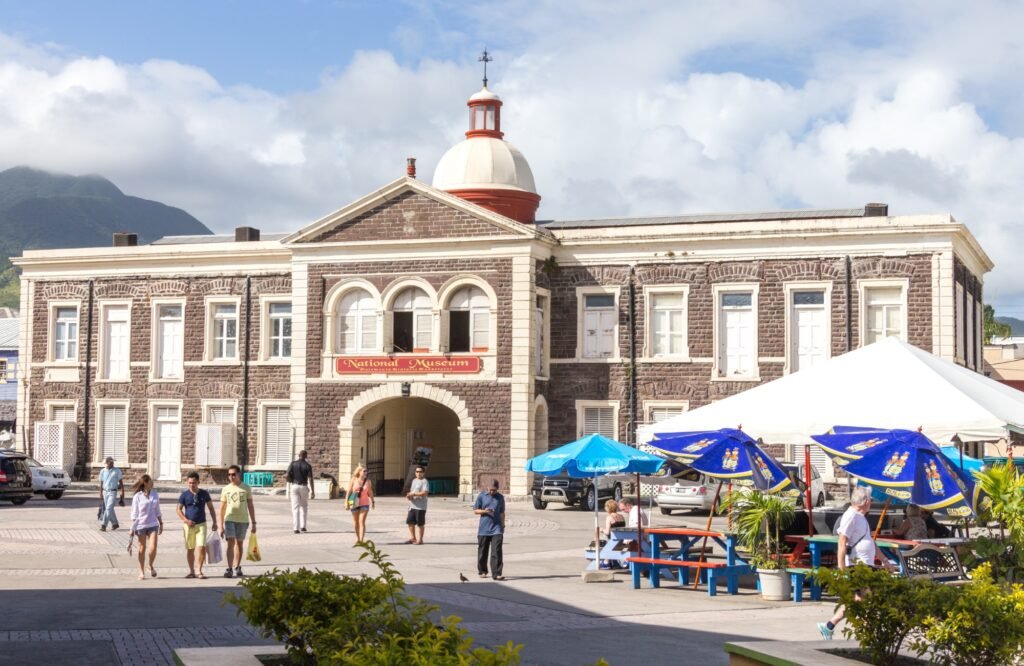
Saint Kitts and Nevis is the smallest independent country in the Western Hemisphere. It is made up of two islands in the eastern Caribbean Sea. Saint Kitts was the first Caribbean island colonised by Europeans, settled by the British in 1623. Sugar cane dominated the economy for over 350 years. The last sugar mill closed in 2005. Today tourism is the primary driver of the economy. The islands are known for their volcanic peaks, rainforest interiors, and colonial-era architecture. Nevis is the birthplace of Alexander Hamilton, one of the founding fathers of the United States.
9. Maldives — 300 km²
- Continent: Asia
- Capital: Malé
- Population: ~520,000
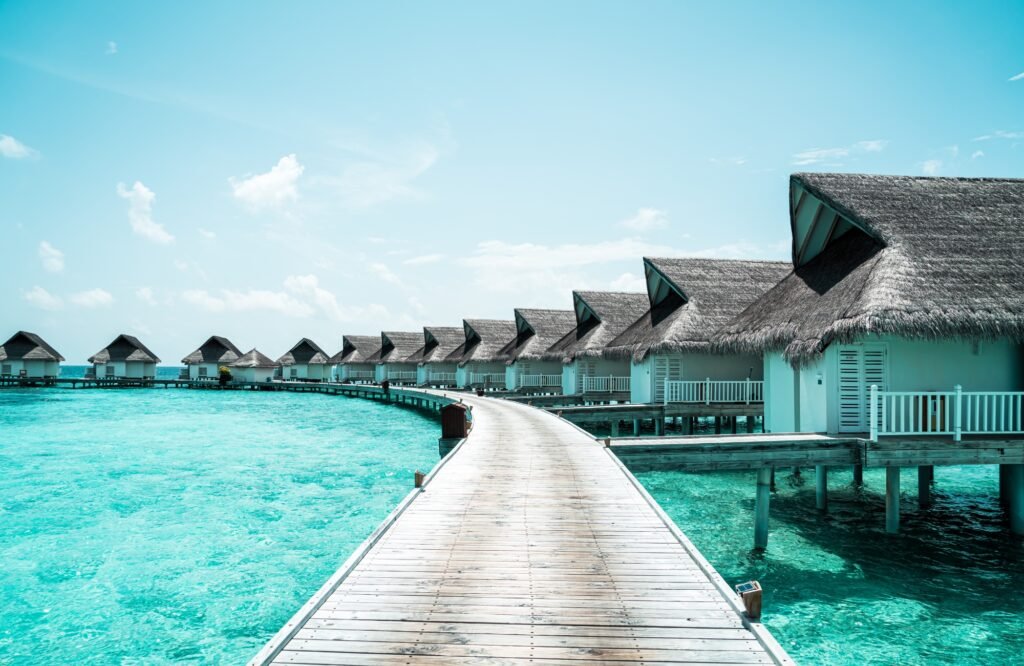
The Maldives is an island nation in the Indian Ocean made up of over 1,200 coral islands grouped into 26 atolls. Only around 200 of those islands are inhabited. The country is one of the flattest nations on Earth, sitting on average just 1.5 metres above sea level. This makes it one of the most climate-vulnerable countries in the world. Despite that threat, it has built one of the most successful luxury tourism industries anywhere, attracting millions of visitors annually. Malé, its capital, is one of the most densely populated cities on the planet. The Maldives converted to Islam in 1153 AD and has remained a Muslim-majority nation ever since.
10. Malta — 316 km²
- Continent: Europe
- Capital: Valletta
- Population: ~530,000
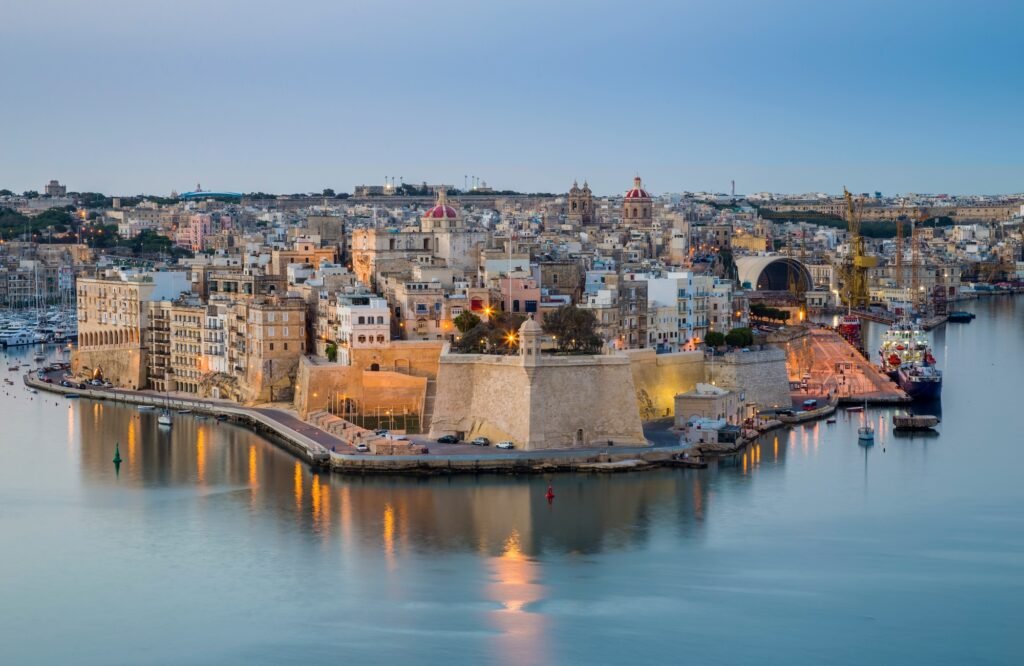
Malta is a small archipelago in the central Mediterranean Sea, located south of Sicily. Human settlement on Malta dates back over 7,000 years, making it one of the oldest continuously inhabited places on Earth. The Maltese prehistoric temples are among the oldest free-standing structures in the world, predating both Stonehenge and the Egyptian pyramids. Malta has been ruled at various times by the Phoenicians, Romans, Arabs, Normans, Knights of St. John, French, and the British. It gained independence in 1964 and joined the European Union in 2004. Valletta, its capital, is the smallest capital city in the EU and was named the European Capital of Culture in 2018.