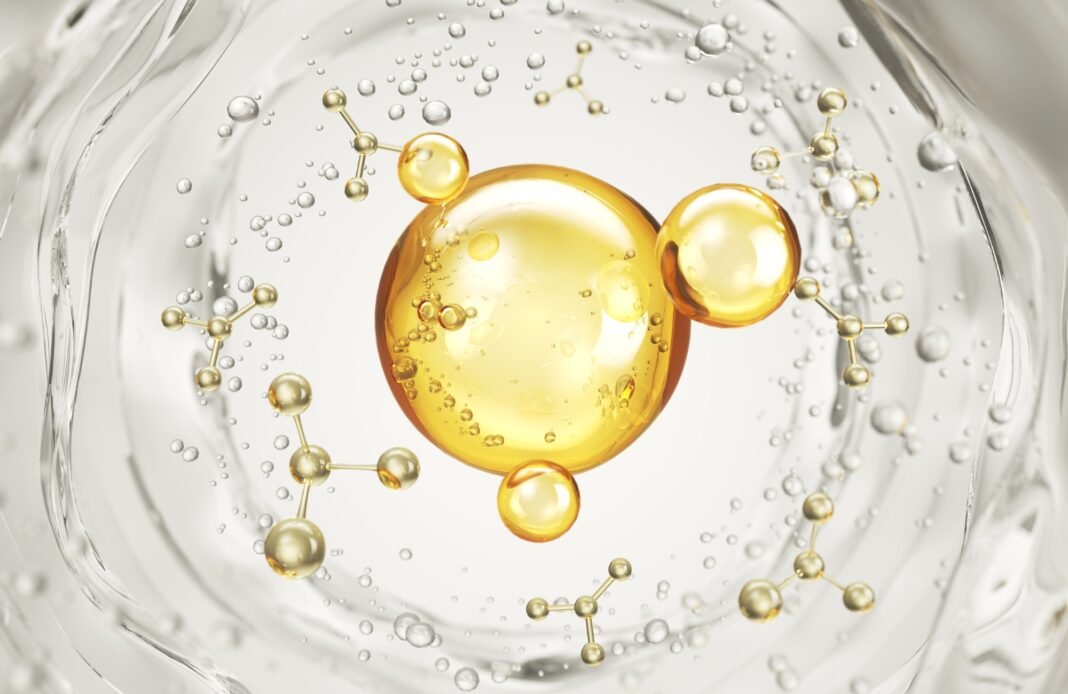
Oxalic Acid: Oxalic acid is a white crystalline organic compound. Its chemical formula is C₂H₂O₄. It is the simplest dicarboxylic acid known to chemistry. It dissolves easily in water to form a colourless solution. It was first isolated from wood sorrel plants of the genus Oxalis, which is how it got its name. It occurs naturally in hundreds of plant foods. It can also be synthesised by fungi, bacteria, and the human body itself.
Chemical Properties
Oxalic acid is a strong organic acid. It is significantly more acidic than acetic acid. It has two acidic hydrogen ions, making it a diprotic acid. Its two pKa values are approximately 1.25 and 3.81.
It is a powerful reducing agent. Its conjugate base, oxalate, acts as a chelating agent. Chelating agents bind tightly to metal cations in solution. This is why oxalic acid dissolves rust so effectively. It converts insoluble iron compounds into soluble, water-removable complexes.
In redox reactions, it reduces potassium permanganate (KMnO₄) to Mn²⁺ ions. It gets oxidised to carbon dioxide in that process. On strong heating, it decomposes to produce CO and CO₂.
Key Chemical Data
Natural Sources
Oxalic acid is found in a wide range of everyday foods. Spinach carries one of the highest concentrations of any food.
Other high-oxalate foods include black tea, rhubarb, cocoa, dates, bran flakes, nuts, and soy seeds.
Industrial Uses
Oxalic acid has a wide range of industrial applications.
- Rust removal — Converts insoluble iron into soluble complexes. Used in laundries, radiator descalers, and surface treatment
- Laundry cleaning — Removes rust, ink, and hard water stains from fabrics
- Bleaching — Used to bleach wood pulp and treat textiles
- Pharmaceutical industry — Used as a purifying and precipitating agent in drug manufacturing
- Photography — Used in photosensitive chemicals and film processing
- Metallurgy — Used in extraction and processing of rare earth metals
- Teeth whitening — An active compound in some dental whitening products
- Beekeeping — Controls Varroa destructor mites on honeybees with over 90% efficacy
- Wastewater treatment — Used as a treatment and grinding agent
- Disinfection — Registered for use in bathroom and toilet cleaning products
Health Effects
At Normal Dietary Levels
Small amounts from food are not harmful for most people. The body processes and excretes oxalate without issue.
Anti-Nutrient Effect
Oxalic acid binds to minerals like calcium, iron, and magnesium in the digestive tract. It forms insoluble salts. Those salts cannot be absorbed. This reduces the amount of minerals the body can actually use from high-oxalate foods. This is why oxalic acid is classified as an anti-nutrient.
Kidney Stones
In some people, excess oxalate in the urine combines with calcium. Calcium oxalate crystals form in the kidneys. Those crystals become kidney stones. People with a history of stones are advised to limit high-oxalate foods. Staying well hydrated is the single most effective preventive measure.
Toxicity
Oxalic acid is a strong poison at high doses. The lowest reported lethal oral dose in humans is 600 mg per kilogram of body weight. The lethal dose range is estimated at 15 to 30 grams.
Symptoms of oxalic acid poisoning include:
- Vomiting and severe diarrhoea
- Stomach cramps and gastrointestinal damage
- Headache and dizziness
- Convulsions and kidney damage
- Coma and cardiovascular collapse
Direct skin contact with concentrated oxalic acid causes burns, blisters, and slow-healing ulcers. Inhaling it irritates the nose, throat, and lungs.
How to Reduce Oxalate in Food
Simple preparation methods cut oxalate levels significantly.
- Boiling reduces oxalate by up to 87% in vegetables
- Steaming reduces it by around 53%
- Pairing with calcium-rich foods causes oxalate to bind in the gut rather than the kidneys
- Drinking enough water flushes oxalate out through urine before crystals can form
Industrial Preparation
Oxalic acid is manufactured commercially through several processes.
- Oxidation of carbohydrates using nitric acid and a vanadium pentoxide catalyst
- Heating sodium formate with an alkali catalyst
- Heating sawdust with caustic alkalies
- Fermentation of sugar solutions using specific mould cultures
In laboratories, sucrose is oxidised using nitric acid in the presence of vanadium pentoxide.